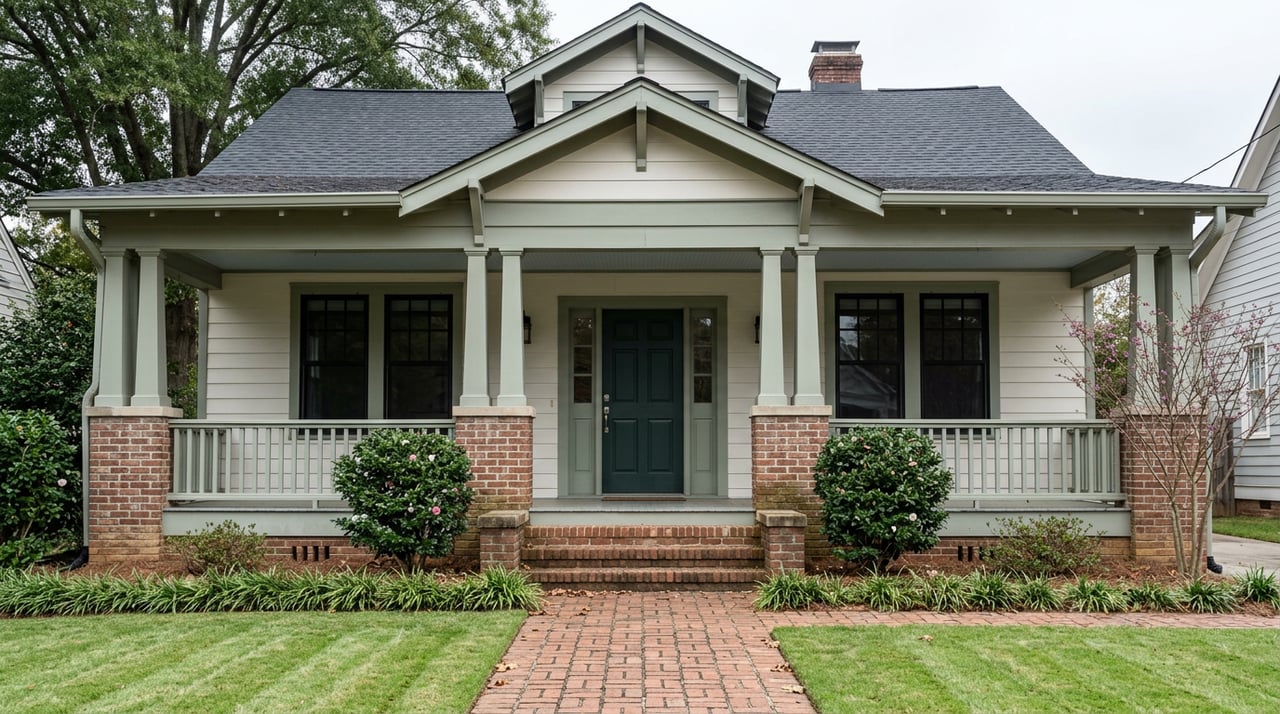
A buyer under contract on a two-story Craftsman a block off Poplar Street clears the general home inspection without a hitch. The roof is sound, the crawlspace is dry, the furnace has a few good years left. Financing moves forward. Then an email arrives from the insurance carrier. Coverage is under review pending an electrical evaluation. The policy may not renew if active knob and tube wiring is present in the structure.
Nothing went wrong with the purchase. Two different professionals ran two different exams on two different timelines, and the second one can finish after the first one already told you the house was fine. In a district where more than 100 buildings date to the late 1800s and early 1900s, that second exam is the one that actually decides whether you can close, insure, and settle in without a scramble.
Two Exams, Not One
A standard home inspection covers a lot of ground in a few hours. It is visual and general by design, and a good inspector will note the presence of older wiring types in a summary line without tracing how far that wiring extends through the walls. That distinction matters enormously to an insurance underwriter, because most standard-market carriers will not write a policy on a home with active knob and tube wiring anywhere in the structure, regardless of how well the rest of the house has been maintained.
A dedicated electrical inspection is a different animal. It runs longer, costs more, and requires access to the attic, crawlspace, and wall cavities so the electrician can trace the wiring's full path rather than just confirming the panel looks current. For a home built before 1940, in a district built almost entirely between the 1880s and the 1930s, that gap between what a general inspector flags and what an insurer requires is exactly where Aberdeen buyers get caught.
The fix is procedural, not expensive. Order the dedicated electrical evaluation during your due diligence period, not after. Ask the electrician for a written report documenting which circuits are still live and where. Call your insurance agent before your financing contingency expires rather than after you have already moved boxes in. A carrier's decline on one house is not the whole market's decline. Different insurers price the same wiring risk very differently, and a broker who works with historic housing stock can shop that risk across several carriers instead of one.
What the Historic Preservation Commission Reviews
Buyers who know they are shopping inside a historic district often brace for a preservation board that will second-guess every choice they make in the house. That fear is larger than the actual rule. Aberdeen's Historic Preservation Commission reviews exterior changes visible from the street through a Certificate of Appropriateness, and the town's own code is explicit that the commission "shall not consider the interior arrangement of a building." Paint colors, roofing materials, additions, and fences facing a public way go through review. Kitchen renovations, bathroom updates, and interior layout changes do not.
The commission meets once a month, which is worth building into a renovation timeline if a project touches anything the street can see. It is not, however, a dormant body kept alive on paper. Aberdeen holds Certified Local Government status through the North Carolina State Historic Preservation Office, which requires at least two commission members to complete preservation training every year and report back on it. The current chair's term runs from January 2026 through January 2030, which means the town seated new leadership on this board at the start of this year, not a decade ago.
A functioning, currently staffed Historic Preservation Commission means the rules governing what you can change on the exterior of your home are being applied consistently, by people who were just appointed to do exactly that.
A House That Made the Math Work
Lloyd Hall, at 206 North Poplar Street, shows what the other side of that equation can look like. Built around 1922 as the Minnie B. Farrell House, the property was converted into a tourist home in the 1930s as Aberdeen's downtown grew around the railroad. Decades later, it was rehabilitated into a nine-unit residential building using historic preservation tax credits, the kind of financing tool that exists specifically because rewiring, replumbing, and restoring a century-old building costs more than building new.
The lesson is not that every historic home in the district needs that scale of renovation. It is that the financing tools for pre-1940s housing stock in Aberdeen already have a track record here. If you are weighing an FHA 203k loan to roll renovation costs into your mortgage, or researching whether a specific project qualifies for state historic tax credits, you are asking a question this district has already answered at least once.
Before You Remove Your Contingency
If you are currently under contract on a home in Aberdeen's historic district, a short list of confirmations will tell you more than another walkthrough will.
- Order a dedicated electrical inspection separate from your general home inspection, especially if the home predates 1950.
- Get written confirmation from an insurance agent, not just an online quote, on whether the carrier will bind coverage as the wiring currently stands.
- Ask the seller for permit history and any Certificates of Appropriateness already on file for the property, which tell you what the commission has approved for that address before.
- If you are planning any exterior work, roofing, fencing, additions, siding, check whether it falls under the Certificate of Appropriateness process before you budget a timeline around it.
- If wiring needs replacement, ask whether a short-term policy can satisfy your lender at closing while the rewire is scheduled, so the insurance timeline does not stall the purchase timeline.
None of these steps require walking away from a house you want. They require sequencing the parts of the transaction that are easy to assume are already handled by someone else.
A Few Direct Answers
Does the Historic Preservation Commission review interior renovations in Aberdeen? No. The commission's review authority covers exterior changes visible from a public right of way. Interior layout and finishes are not part of the Certificate of Appropriateness process.
If my inspector didn't flag the wiring, does that mean it's fine? Not necessarily. A general home inspection is visual and limited in scope. A dedicated electrical evaluation, which traces wiring through walls and the attic, is what most insurance underwriters actually require before binding a policy on an older home.
Is Aberdeen's Historic Preservation Commission still active? Yes. The commission operates under Certified Local Government status through the state historic preservation office, holds monthly reviews, and seated a new chair for a term beginning in January 2026.
Buying inside a district this old rewards patience more than perfection. The house does not need to be flawless. The paperwork just needs to happen in the right order.
If you are weighing a historic property in downtown Aberdeen, or comparing it against newer construction elsewhere in Moore County, BHGRE Lifestyle Property Partners can walk the timeline with you before you write the offer, not after. Find Your Lifestyle.
This article is general information, not legal, tax or financial advice. Consult a qualified professional about your situation.