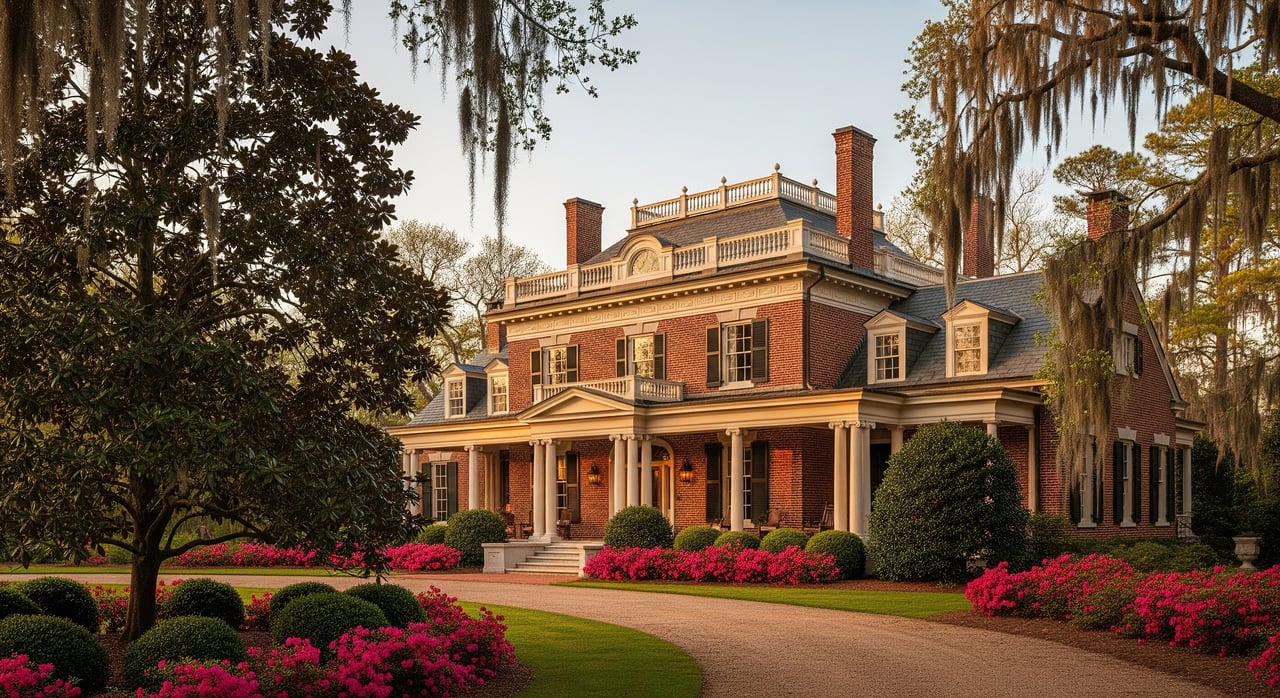
Do you love character homes with deep porches, tall windows, and a sense of story? If Aberdeen has caught your eye, you are not alone. Buying a historic home here can be rewarding, but it comes with unique rules, inspections, and budget choices that are different from newer construction. In this guide, you will learn how “historic” is defined, what approvals you may need, how to evaluate condition, and where to find the right financing and experts. Let’s dive in.
What “historic” really means
Not every older house is officially “historic.” In Aberdeen and across Moore County, a home can be recognized in several ways, and each has different implications for you as an owner.
National Register listing
A property listed in the National Register of Historic Places is recognized for its significance, which can be local, state, or national. This status is largely honorific for private owners. It does not restrict your work unless federal funds, permits, or licenses are involved. It may open the door to federal historic rehabilitation tax credits for income-producing properties.
State documentation
The North Carolina State Historic Preservation Office (NC SHPO) maintains surveys and records of historic resources. A home documented by the state can signal significance and help you understand appropriate treatments. State records can also help you explore incentive options that may be available.
Local designation or districts
Local historic districts and landmarks are established by municipalities. If your property falls within a local district or has local landmark status, exterior changes are often reviewed by a local commission. You may need a Certificate of Appropriateness or similar approval for work like replacing windows, altering porches, adding on, or demolition.
Easements and covenants
Some properties carry preservation easements held by a nonprofit or a government entity. These are binding legal restrictions that travel with the deed. They can dictate what you can alter and how, regardless of other designations.
Confirm status before you offer
You can reduce surprises by checking a home’s status early in your search.
- Verify whether the property is listed in the National Register for Moore County.
- Contact NC SHPO to learn what is documented at the state level.
- Ask the Town of Aberdeen planning or zoning department for any local historic district maps, ordinances, and review procedures. Check with Moore County planning for county-level records.
- Order a title search and review local land records to identify any easements, covenants, or deed restrictions.
Aberdeen architecture to expect
Historic homes in small North Carolina towns often reflect late 19th and early 20th century styles. In Aberdeen you may encounter:
- Queen Anne or Folk Victorian with asymmetrical rooflines, decorative trim, and wrap-around porches.
- Colonial Revival or Neoclassical forms with classical columns and balanced façades.
- American Foursquare with a boxy two-story form, hipped roof, and generous front porch.
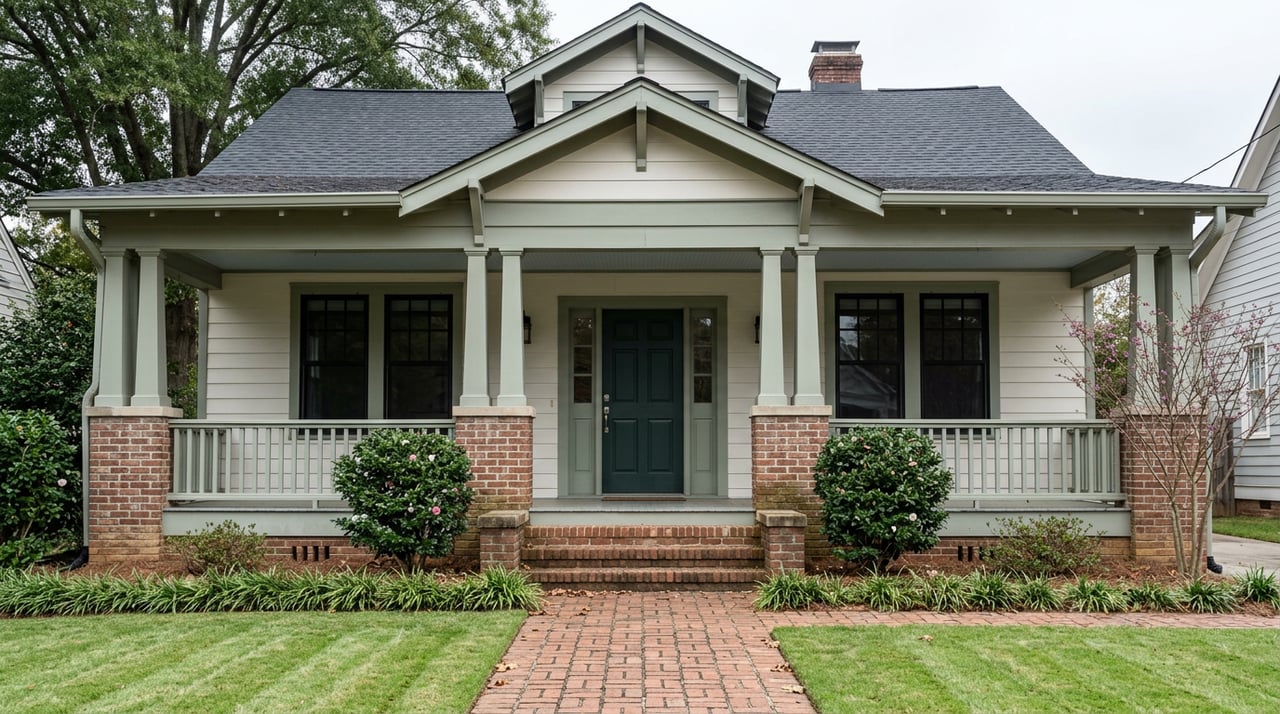
- Craftsman and bungalow styles with low-pitched roofs, exposed rafter tails, and tapered porch columns.
You may also see early 20th century brick buildings downtown. Because local examples vary, confirm styles with NC SHPO, the local historical society, or the town’s historic resource inventory.
Materials and construction basics
Most older homes here are wood-frame construction with original siding like clapboard or novelty profiles. You may find:
- Masonry chimneys and brick or stone foundations, including pier-and-beam supports in some homes.
- Original wood windows with true divided lights, single- or double-hung.
- Interior plaster over lath, heart pine floors, and period moldings or built-ins.
These materials are durable but need care. Preserving original fabric often protects long-term value and character.
Condition realities in Moore County’s climate
The Southern climate rewards routine maintenance. Focus your inspections on common issues in older homes:
- Moisture management. Crawlspace moisture, rising damp, and wood rot are frequent concerns.
- Termites and pests. Subterranean termites are common in North Carolina and can affect structural members.
- Foundation movement. Pier-and-beam foundations may show settlement or deteriorated piers.
- Roofs and chimneys. Flashing, masonry, and shingles on older roofs need careful evaluation.
- Systems. Knob-and-tube or early cloth-insulated wiring, undersized electrical service, and galvanized plumbing may require upgrades.
- Exterior features. Porches, columns, decorative trim, and original windows weather faster and often need targeted repair.
Rules, approvals, and standards
If a home is locally designated or within a historic district, you will likely need approvals for exterior changes.
- Certificates of Appropriateness. Window replacements, porch repairs, additions, and demolition often require a town review. Interior work is generally less regulated unless an easement covers interiors.
- Secretary of the Interior’s Standards. Many grant-funded or tax credit projects follow these standards, and they serve as best practice even when not required. They emphasize repair over replacement and compatible alterations.
- Building codes. Renovations must meet local codes. Historic properties may have limited alternative compliance paths, but safety upgrades, such as electrical and structural, are typically required. Accessibility requirements may apply to commercial or multi-unit buildings.
- Demolition review. Local ordinances sometimes include demolition delays or review processes. Always confirm protections with the Town of Aberdeen before planning major changes.
Materials and replacement choices
The guiding principle is to repair first, replace only when necessary, and match originals when you do.
- Windows. Prioritize sash repair, weatherstripping, and storm windows. If replacement is needed, choose historically appropriate profiles and materials. Incompatible vinyl units are often discouraged, and they may be disallowed in local districts.
- Finishes. Paint colors sometimes have local guidance. Historic color research can help you select accurate palettes.
- In-kind work. When replacing porch elements, siding, or trim, use materials and dimensions that align with the original appearance.
Financing, insurance, and incentives
You have several financing tools to combine purchase and renovation:
- FHA 203(k) rehabilitation loans for owner-occupants let you finance both the purchase and the rehab.
- Fannie Mae HomeStyle Renovation loans offer a conventional path to similar combined financing.
- VA renovation loans and lender-specific rehab products may be available if you are eligible.
Tax incentives can help, depending on how you will use the property.
- Federal historic rehabilitation tax credit, generally 20 percent, is available for certified rehabilitation of income-producing historic buildings. It is not typically used for owner-occupied single-family homes.
- State-level incentives vary. Contact NC SHPO to confirm current North Carolina programs and whether your project qualifies.
- Some towns and counties offer façade grants or low-interest loans. Check with the Town of Aberdeen and Moore County for any local programs.
Insurance and appraisals also require special attention.
- Insurance. Some carriers offer historic home endorsements. Others may require specific upgrades, such as roof or electrical work, to bind coverage.
- Appraisal. Unique historic features can be hard to quantify. Work with an appraiser who understands older and historic properties to ensure a fair valuation.
Due diligence checklist
Before you make an offer:
- Confirm historic status with the town and county, and ask the seller for any Certificates of Appropriateness, easements, or prior approvals.
- Request maintenance records, recent photos, and documentation of key historic elements.
- Verify zoning and order a title search to uncover easements, covenants, or restrictions.
Plan targeted inspections and reports:
- General home inspection by someone experienced with older construction.
- Structural engineer as needed for foundations and framing.
- Termite and pest inspection.
- Moisture and crawlspace assessment.
- Chimney and masonry review.
- HVAC, plumbing, and electrical evaluations.
- A consultant familiar with historic fabric who can identify what to preserve and how to repair it without unnecessary loss.
Financial and legal checks:
- Confirm insurance availability and likely premiums before you finalize the deal.
- Consult a real estate attorney if you see easements or complex covenants.
- Build a realistic rehab budget that includes specialized trades and period-appropriate materials.
Build the right team
Historic homes reward expert help. Consider assembling your team early:
- A real estate agent with historic property experience in Moore County.
- A preservation consultant or architectural historian to document significance and advise on incentives.
- A preservation-minded architect or designer familiar with the Secretary of the Interior’s Standards.
- Contractors who specialize in historic rehabilitation, including sash and window repair, traditional carpentry, and masonry.
- Inspectors who understand older building systems and local climate impacts.
Sourcing authentic materials
You can find period-appropriate elements through:
- Architectural salvage yards and reclamation stores for hardware, doors, mantels, and flooring.
- Specialty millwork shops that replicate historic moldings, porch columns, and window profiles.
- Historic hardware suppliers with reproduction locks, hinges, and lighting.
- Paint conservators or color-matching services for accurate historic palettes.
Smart retrofit strategies
Respect the original fabric while improving comfort and efficiency.
- Add insulation in attics and crawlspaces first to minimize impact on plaster walls.
- Use reversible methods, such as interior storm windows or ductless HVAC, to reduce invasive work.
- Tuck new systems into secondary spaces to preserve primary rooms and finishes.
- Document your work for future owners and potential incentives.
Timeline and budgeting tips
Plan for a slightly longer path to closing and move-in when historic reviews or specialized trades are involved.
- Build in extra time for permit reviews, Certificates of Appropriateness, and contractor bids.
- Expect higher per-square-foot maintenance than new construction, plus a contingency for hidden issues such as rot, structural repairs, lead paint, or asbestos.
- Price out historically appropriate materials early, since custom millwork or specialized labor can extend timelines and budgets.
Move forward with confidence
Buying a historic home in Aberdeen is more than a real estate decision. It is a choice to steward local character while creating a living space that reflects your style. With the right research, a preservation-aware team, and a realistic plan for approvals and repair work, you can protect both your investment and the home’s story.
If you are ready to explore Aberdeen’s historic homes, our boutique team is here to guide you through every step, from due diligence to closing to trusted contractor introductions. Connect with BHGRE Lifestyle Property Partners to start your search.
FAQs
What makes a home “historic” in Aberdeen?
- A home may be listed in the National Register, documented by NC SHPO, designated locally within a historic district or as a landmark, or governed by a preservation easement, and each status has different implications.
Do I need approval to change windows in a district?
- If the home is locally designated or in a local historic district, exterior changes like window replacement typically require review and a Certificate of Appropriateness from the town.
Can I get tax credits for a single-family home?
- Federal historic rehabilitation tax credits generally apply to income-producing properties; owner-occupied single-family homes are not the typical use, so confirm options with NC SHPO.
Which inspections matter most for older homes here?
- Start with a general inspection by an older-home specialist, then add structural, termite, moisture and crawlspace, chimney and masonry, and full system evaluations as needed.
How do renovation loans work for historic homes?
- FHA 203(k), Fannie Mae HomeStyle, and some VA renovation loans let you finance purchase and rehab together, subject to lender guidelines and the scope of work you plan.